
Protect Your Vision Through Smart Nutrition and Lifestyle
Discover how everyday changes to your diet, screen habits, and daily routine can dramatically improve your eye health and reduce digital strain
The information on this site is for educational purposes only and does not constitute medical advice. Always consult a qualified healthcare professional before making health decisions.
Did You Know?
Over 60% of people experience eye strain from daily screen use — yet simple nutrition and lifestyle adjustments can make a profound difference in your visual health and comfort.
Nutrition: The Foundation of Healthy Eyes
Your eyes are living tissues that depend on specific nutrients to function optimally. Lutein, zeaxanthin, omega-3 fatty acids, and antioxidants like vitamin C and E work together to protect your vision from oxidative stress and the effects of blue light exposure from screens.
When you fuel your body with foods rich in these compounds — leafy greens, fatty fish, colorful vegetables, and nuts — you're directly supporting the health of your macula, lens, and retina. Many people don't realize that what they eat today shapes their vision tomorrow.
Transform Your Vision with Lifestyle Adjustments
Beyond nutrition, how you use your eyes throughout the day — screen distance, breaks, lighting, sleep, and outdoor time — creates the environment where your vision either thrives or struggles. Small, intentional changes in these habits can reduce eye strain, improve focus, and protect your long-term sight.
Natural Light Exposure
Outdoor time strengthens eyes and regulates circadian rhythms that support visual wellness.
Smart Screen Habits
The 20-20-20 rule and proper positioning dramatically reduce digital eye strain.
Quality Sleep
Proper rest restores tear film stability and prevents dry eye discomfort.
Essential Nutrients for Eye Wellness
These key compounds work synergistically to maintain visual health, protect against blue light, and support the structures that let you see clearly.
Lutein & Zeaxanthin
These carotenoids concentrate in the macula and act as natural blue-light filters. Found abundantly in spinach, kale, and other dark leafy greens, they're your eyes' first line of defense against digital screen exposure and age-related vision changes.
- Best sources: Spinach, kale, collards
- Daily intake: 10+ mg recommended
Omega-3 Fatty Acids
Critical for retinal function and tear film stability, omega-3s reduce inflammation in the eye and help combat dry eye discomfort. Fatty fish like salmon, mackerel, and sardines are rich sources that also support overall cardiovascular health.
- Best sources: Salmon, sardines, walnuts
- Frequency: 2-3 servings weekly
Antioxidants (C & E)
Vitamins C and E neutralize free radicals that damage eye cells over time. Citrus fruits, berries, almonds, and sunflower seeds provide these protective compounds, helping preserve lens clarity and supporting healthy eye aging.
- Best sources: Oranges, berries, almonds
- Synergy: Combine with lutein for best effect
Zinc & Mineral Balance
Zinc supports vitamin A absorption and protects the retina from oxidative stress. Oysters, pumpkin seeds, and lean meats provide this essential mineral, which is particularly important for maintaining night vision and overall retinal health.
- Best sources: Oysters, pumpkin seeds, beef
- Recommended: 8-11 mg daily
Vitamin A & Beta-Carotene
The foundation of healthy vision, vitamin A enables your eyes to adapt to light and dark environments. Sweet potatoes, carrots, and dark leafy greens are excellent sources that support both day and night vision capabilities.
- Best sources: Sweet potatoes, carrots, spinach
- Role: Essential for rhodopsin (night vision)
Anthocyanins & Flavonoids
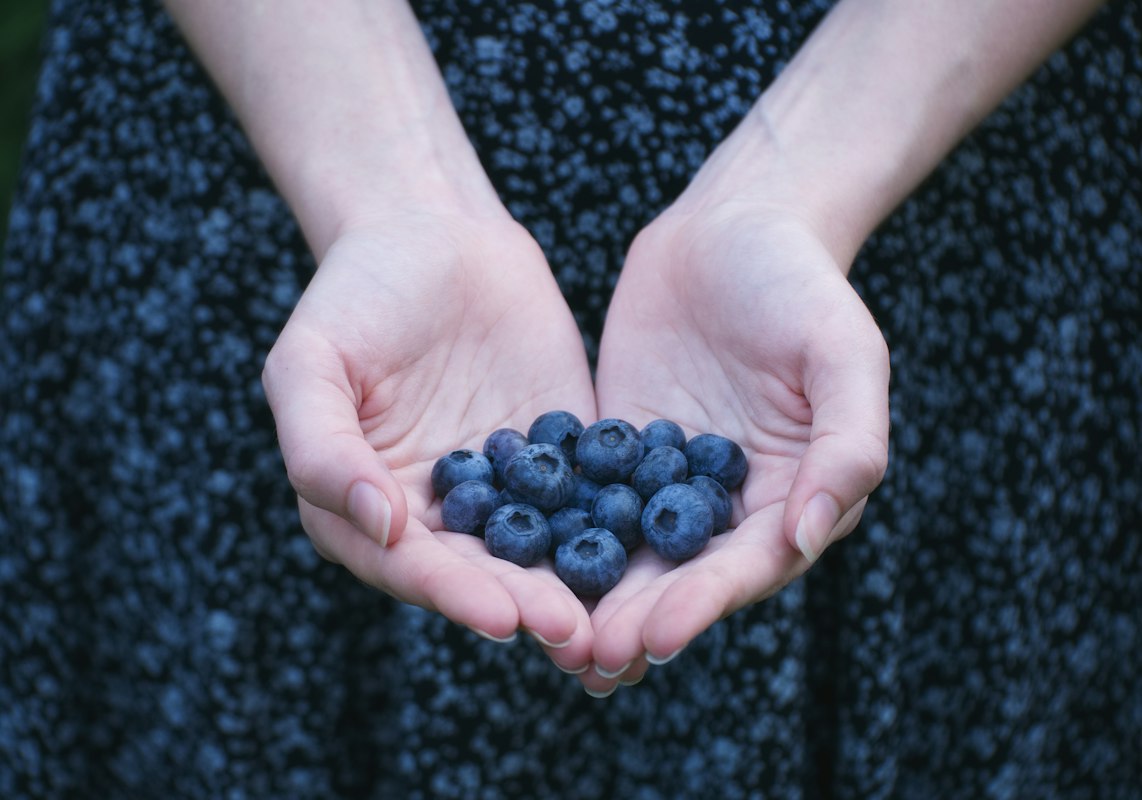
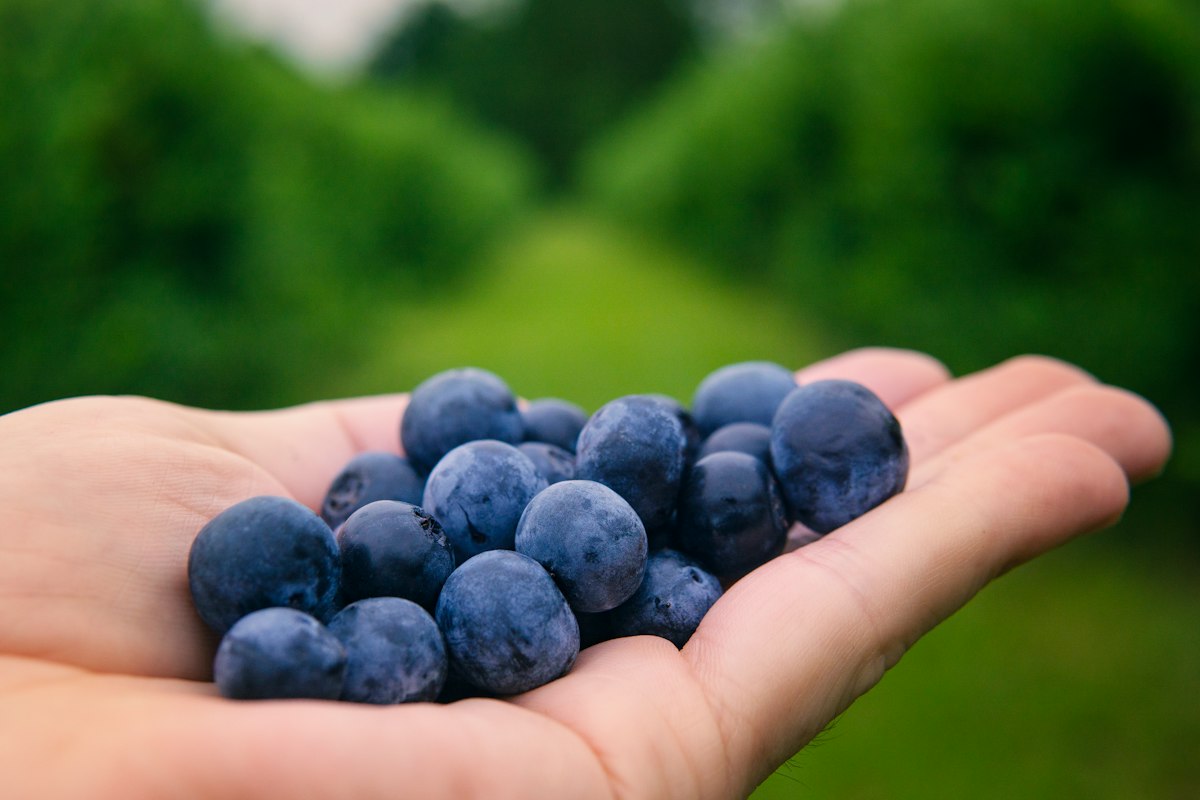
These powerful plant compounds found in berries, dark grapes, and purple vegetables reduce inflammation and strengthen blood vessels that nourish the eye. They work synergistically with other antioxidants for comprehensive protection.
- Best sources: Blueberries, blackberries, purple grapes
- Benefit: Anti-inflammatory & circulation support
Simple Daily Habits That Protect Your Vision
Implementation matters more than perfection. Start with one or two changes, then gradually build a routine that supports healthy eyes.
The 20-20-20 Rule for Screen Time
Every 20 minutes of screen work, look at something 20 feet away for 20 seconds. This simple pause allows your eyes' focusing muscles to relax and your tear film to redistribute naturally. Most eye strain comes from reduced blinking during focused screen work — this rule counters that automatic tension.
- • Set a phone reminder or use screen break apps
- • Position screens at arm's length and slightly below eye level
- • Reduce overhead lighting glare with proper positioning
Daily Outdoor Time: 30+ Minutes
Natural light exposure is one of the most powerful protective factors for eye health. Bright outdoor light triggers dopamine release in the retina, which helps prevent myopia progression and reduces eye strain. Even cloudy days provide sufficient light stimulus to benefit your vision.
- • Morning light exposure supports natural circadian rhythms
- • Works for all ages and doesn't require exercise intensity
- • Combine with leisure or work — it's the light exposure that matters
Quality Sleep & Hydration
During sleep, your eyes repair damage from the day and your tear film fully restores. Dehydration thickens tear film and increases dry eye discomfort. These two factors — adequate sleep (7–9 hours) and consistent hydration — form the recovery foundation for stressed eyes.
- • Avoid screens 30+ minutes before bed (blue light suppresses melatonin)
- • Drink water consistently throughout the day, especially with meals
- • Sleep supports all cellular repair processes, not just the eyes
Daily Nutrition: Build Eye-Healthy Meals
Rather than adding new foods, integrate vision-supportive nutrients into meals you already enjoy. A simple approach: include colorful vegetables, healthy fats, and protein at each meal. This ensures consistent nutrient delivery and makes adherence automatic rather than effortful.
- • Spinach in smoothies, salads, or pasta dishes
- • Salmon, sardines, or nuts as snack proteins
- • Colorful vegetables as sides — orange, red, purple varieties
Ready to Transform Your Eye Health?
Explore our comprehensive guides on nutrition, screen habits, and lifestyle strategies. Learn how readers just like you have reduced strain and improved their visual comfort.
Creating Your Personalized Eye Health Routine
Eye health isn't one-size-fits-all. Your daily work environment, genetics, and lifestyle demands shape what changes will matter most for your vision. Some people benefit most from optimizing nutrition; others see immediate relief from screen habit adjustments.
The key is understanding your own patterns and starting small. Track which changes have the biggest impact on your comfort and clarity, then build from there. Over weeks and months, these small adjustments compound into measurable improvements in visual function and overall eye wellness.
Individual Variation Matters
What works best depends on your daily habits and environment.
Consistency Beats Intensity
Small daily changes are more sustainable than drastic shifts.
Track Your Progress
Notice improvements in clarity, comfort, and focus over time.
Frequently Asked Questions
Real questions from our community about eye nutrition and lifestyle changes.
How long does it take to see improvement in eye comfort?
Many readers report noticeable improvements in eye strain within 1–2 weeks of implementing the 20-20-20 rule and increasing outdoor time. Nutritional changes typically show benefits after 4–8 weeks as nutrient levels build up in eye tissues. Individual variation is significant — patience and consistency are more important than expecting immediate results.
Can diet really prevent age-related vision changes?
While no diet prevents aging, specific nutrients like lutein, zeaxanthin, and antioxidants have strong research support for slowing the rate of age-related decline. Consistent nutrition combined with lifestyle habits (outdoor time, sleep, blue-light management) creates the conditions where your eyes age more slowly and remain healthier longer.
What if I work at a computer 8+ hours daily?
The 20-20-20 rule becomes even more critical. Add outdoor breaks during lunch and transition time, position your screen correctly, and ensure proper hydration throughout your workday. At home, prioritize wind-down routines that reduce blue-light exposure before sleep. The combination of frequent visual breaks and nutritional support becomes your best defense.
Do I need to avoid all screens in the evening?
Complete avoidance isn't necessary for most people. The goal is reducing blue-light exposure 30–60 minutes before bed so your natural melatonin rises. Use blue-light filters, enable dark mode, or reduce screen brightness during evening hours. This preserves natural sleep timing while allowing reasonable evening use when needed.
Which foods are easiest to add to my current diet?
Start with what you already eat. Add spinach to smoothies or pasta, eat berries as snacks, include fatty fish once weekly, and cook with olive oil. If you prefer not to change meals significantly, nuts and seeds are simple additions that don't require meal restructuring — a handful of almonds or walnuts delivers multiple eye-supportive nutrients.
How does outdoor light compare to indoor artificial light?
Natural outdoor light is dramatically brighter (typically 5,000–50,000 lux) than indoor lighting (200–500 lux). This brightness intensity triggers retinal dopamine release and supports natural circadian rhythms. Even short outdoor breaks outweigh hours under artificial light for eye health. This is why 30+ minutes of daily outdoor time is more protective than any indoor lighting adjustment.
What Our Readers Say
Real experiences from people who've implemented these nutrition and lifestyle changes.
"I was skeptical about the 20-20-20 rule, but after just two weeks of consistent practice, my afternoon eye fatigue nearly disappeared. I paired it with more spinach and salmon in my meals, and the difference in my visual clarity is undeniable. These aren't complicated changes — they're just smart habits."
Maria Santos
Manila
"As a software developer working 10+ hours daily at the screen, I thought dry eyes were just part of my job. The articles about outdoor light exposure and proper hydration changed that perspective. Now I take a 30-minute walk after lunch, and combined with better sleep, my eyes feel noticeably less strained."
Rafael Mercado
Cebu City
"I started with small changes — adding berries to breakfast and setting screen reminders. After a month, I noticed my evening headaches had reduced, and I can focus for longer without that gritty feeling. The guides made it easy to understand why these changes matter, not just what to do."
Patricia Reyes
Davao
Eye-Healthy Foods & Lifestyle
Practical examples of nutrition and habits that support clear vision.
Colorful Vegetables & Greens
Spinach, kale, and colorful peppers provide lutein, zeaxanthin, and vitamin C — the core nutrients for retinal protection and blue-light defense.
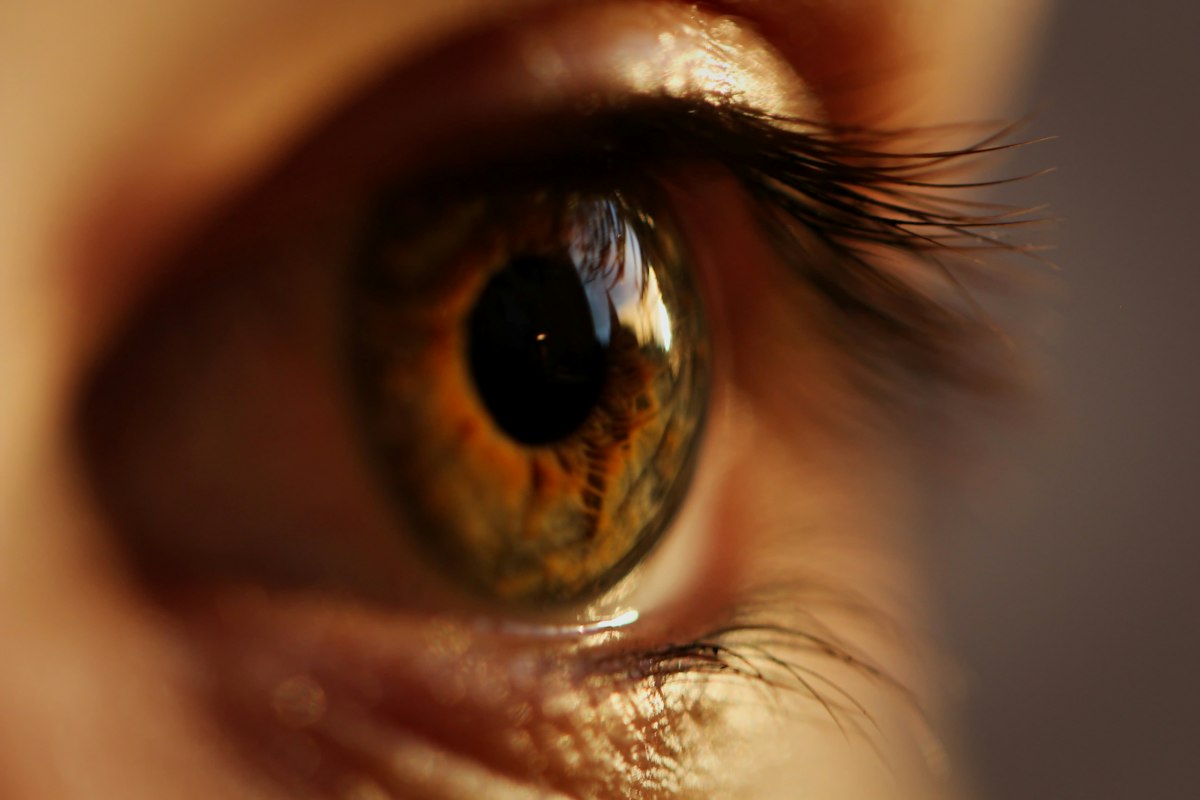
Fatty Fish & Omega-3 Sources
Salmon, sardines, and mackerel deliver omega-3s that support tear stability, reduce inflammation, and protect retinal function.
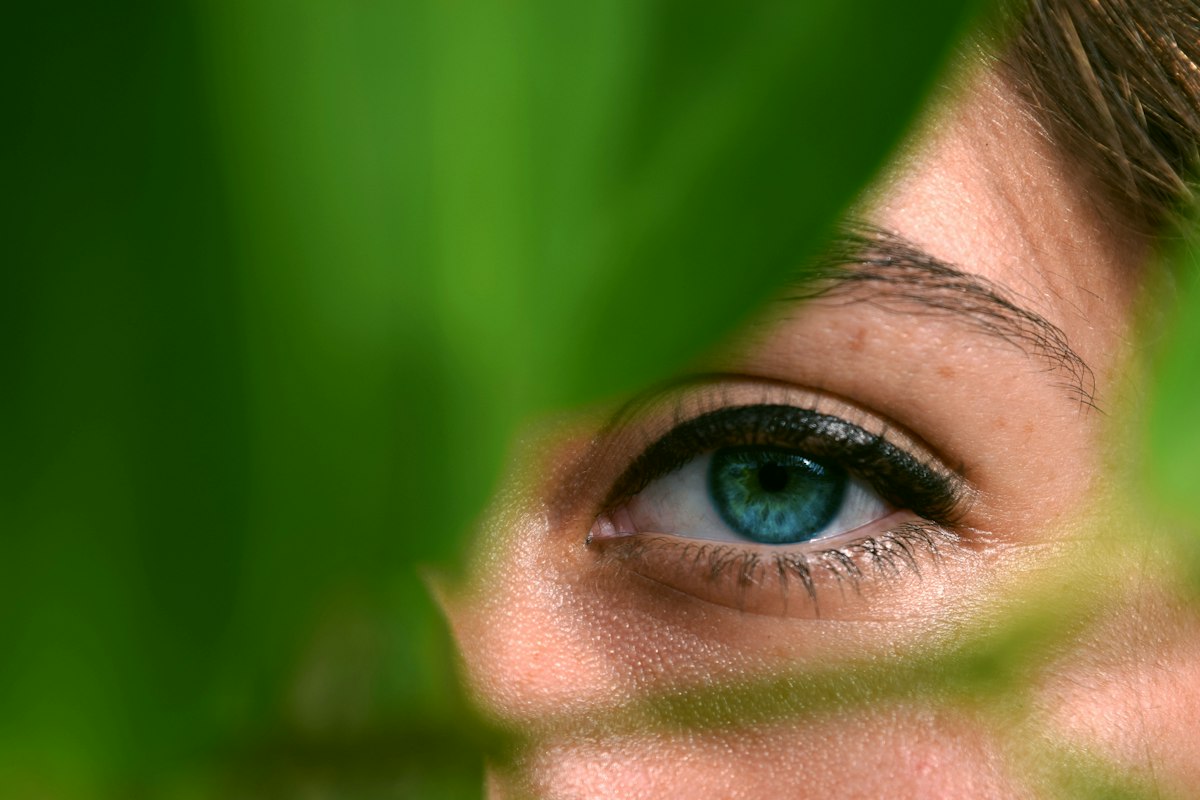
Berries & Purple Fruits
Blueberries, blackberries, and dark grapes are loaded with anthocyanins that reduce inflammation and strengthen eye blood vessels.
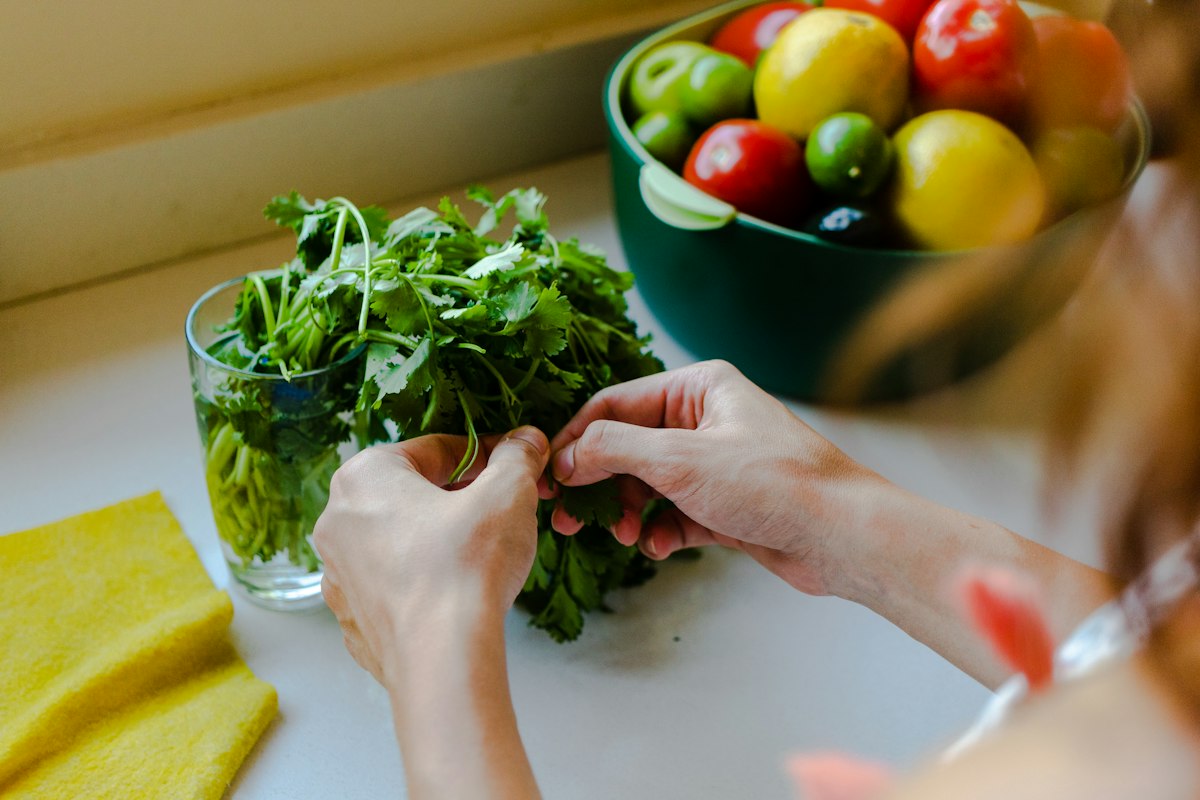
Outdoor Time & Natural Light
Daily sun exposure triggers dopamine in the retina, supports circadian rhythms, and provides the most potent eye-protective stimulus available.
Start Your Eye Health Journey Today
Explore our detailed guides on nutrition, screen habits, sleep optimization, and lifestyle changes. Each article is written to help you understand the 'why' behind the recommendations so you can make changes that stick.